Radiofrequency Vein Ablation: How It Works, Explained Simply
Radiofrequency ablation closes a failing leg vein using controlled heat, much as laser ablation does. The goal is the same: seal the vein that is leaking, so blood reroutes through healthy ones. A fact-checked 3D patient-education video — educational only, not medical advice.
See a mistake in this video? Report it →
Video Transcript
Radiofrequency ablation closes a failing leg vein using controlled heat, much as laser ablation does. The goal is the same: seal the vein that is leaking, so blood reroutes through healthy ones. Guided by ultrasound, a catheter is passed up inside the vein through a single small entry point. Fluid is injected around the vein to numb it and to protect the surrounding tissue from the heat. The heating element at the catheter tip warms the vein wall in short, measured segments, treating one length at a time. Radiofrequency works at a lower and more tightly controlled temperature than laser energy does. The heated wall shrinks and the vein seals shut. The catheter is then drawn back to treat the next segment. Over time the closed vein is absorbed, and blood returns through the deeper veins. Laser and radiofrequency are both standard, well-established options. Which one is used depends on the anatomy and the physician's judgement. This video is for general education only. It is not medical advice. Ask your doctor what's right for you.
More Vein Treatments Videos
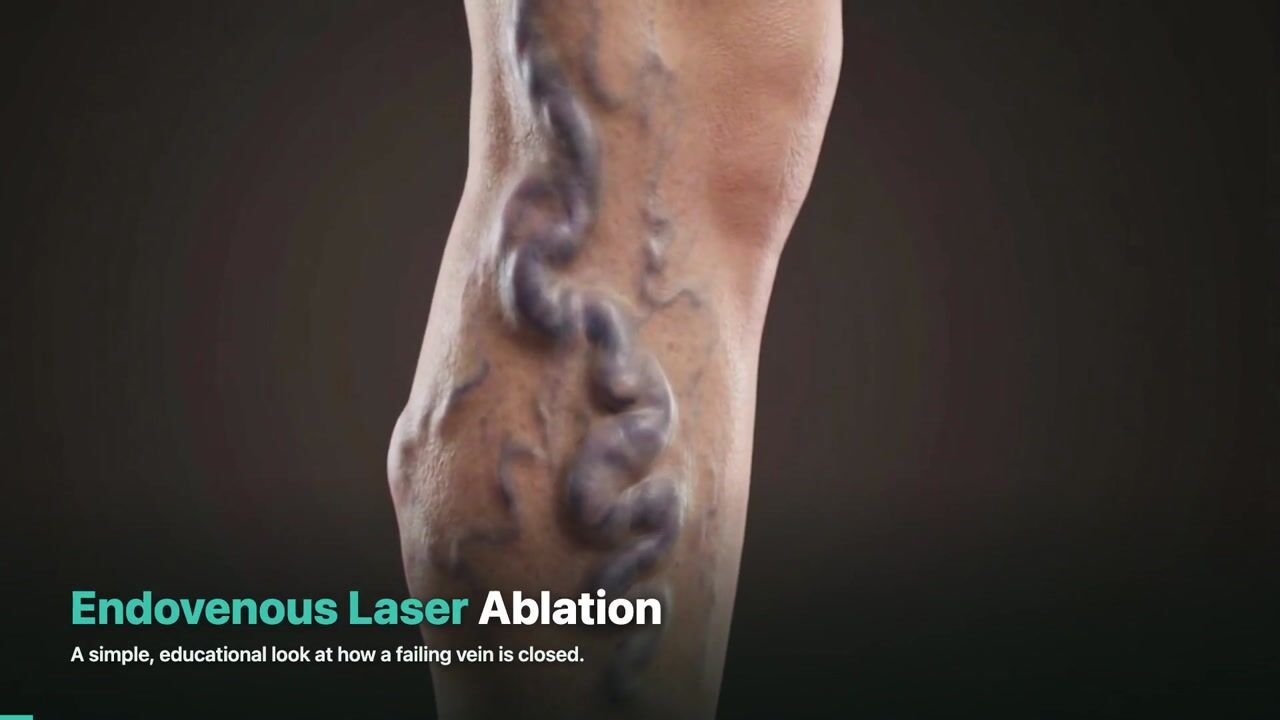 1:00, 1 minutes 00 seconds
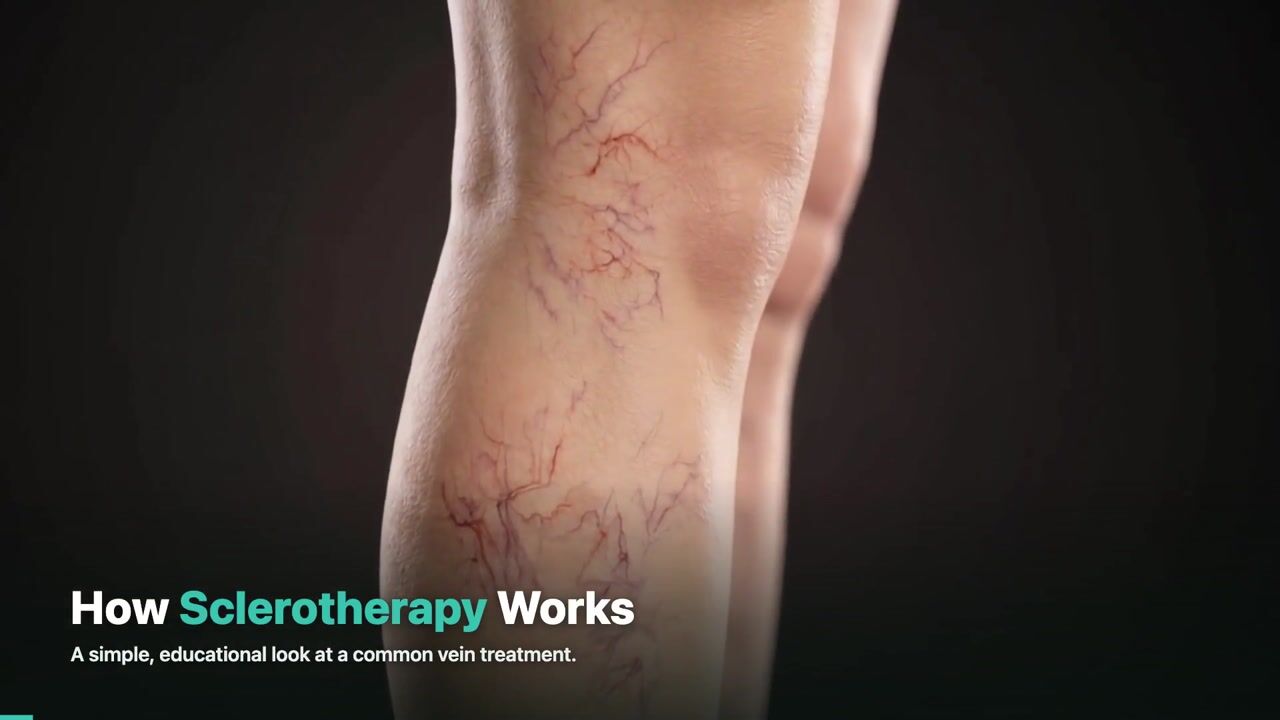 1:00, 1 minutes 00 seconds
Want this video on your practice website?
License the full Vein Care Learning Center — one script tag, domain-locked, $97/mo or $599/yr.