Mohs Surgery Works: How It Works, Explained Simply
Mohs surgery is a precise way of removing certain skin cancers, one thin layer at a time. It is often chosen for cancers on the face, ears, hands and other areas where sparing healthy skin matters. A fact-checked 3D patient-education video — educational only, not medical advice.
See a mistake in this video? Report it →
Video Transcript
Mohs surgery is a precise way of removing certain skin cancers, one thin layer at a time. It is often chosen for cancers on the face, ears, hands and other areas where sparing healthy skin matters. First, the visible cancer is removed along with a very thin layer of tissue around it, under local anaesthetic. That layer is carefully marked and mapped, so its exact position on the body is recorded. While you wait, the surgeon examines the entire edge of that layer under a microscope, looking for any remaining cancer cells. If cancer is seen at one edge, the surgeon returns to that exact spot on the map and removes only a little more tissue, just there. This cycle repeats, layer by layer, until the edges are clear of cancer. Because tissue is only taken where cancer remains, healthy skin is preserved as much as possible. It is usually done in a single day, and the area is repaired once the edges are confirmed clear. This video is for general education only. It is not medical advice. Ask your doctor what's right for you.
More Skin Cancer & Screening Videos
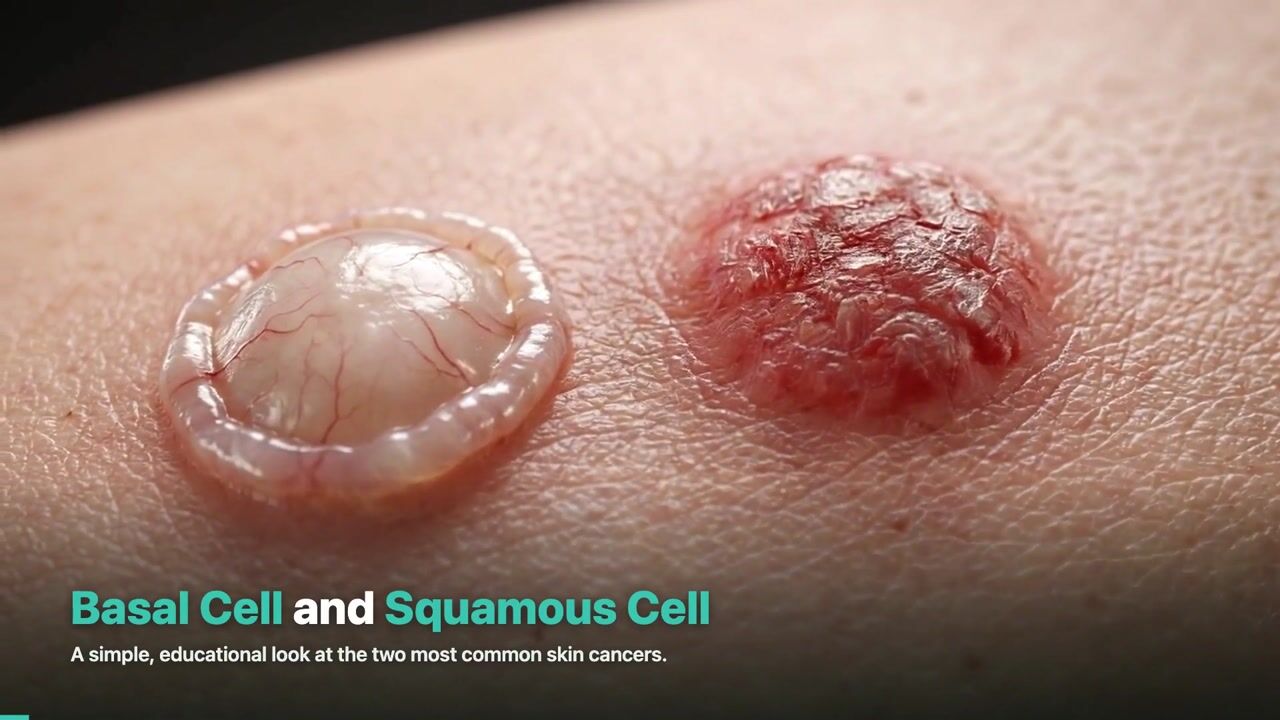 1:00, 1 minutes 00 seconds
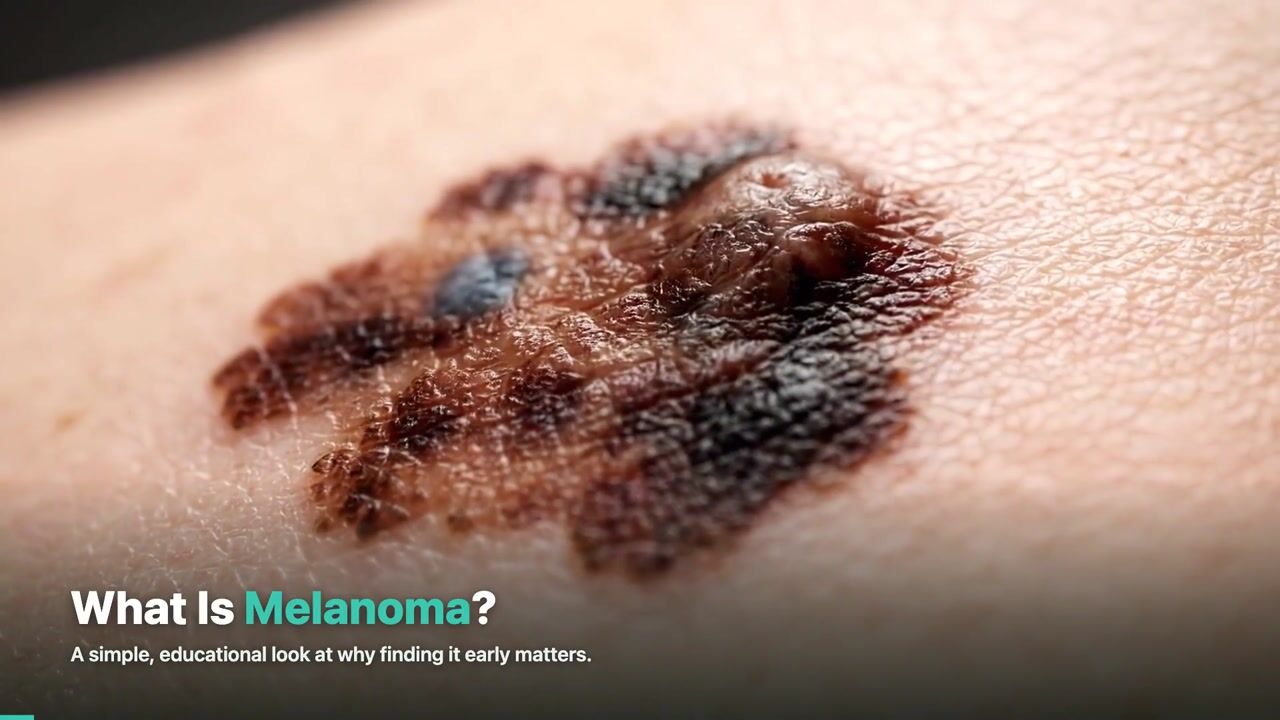 1:00, 1 minutes 00 seconds
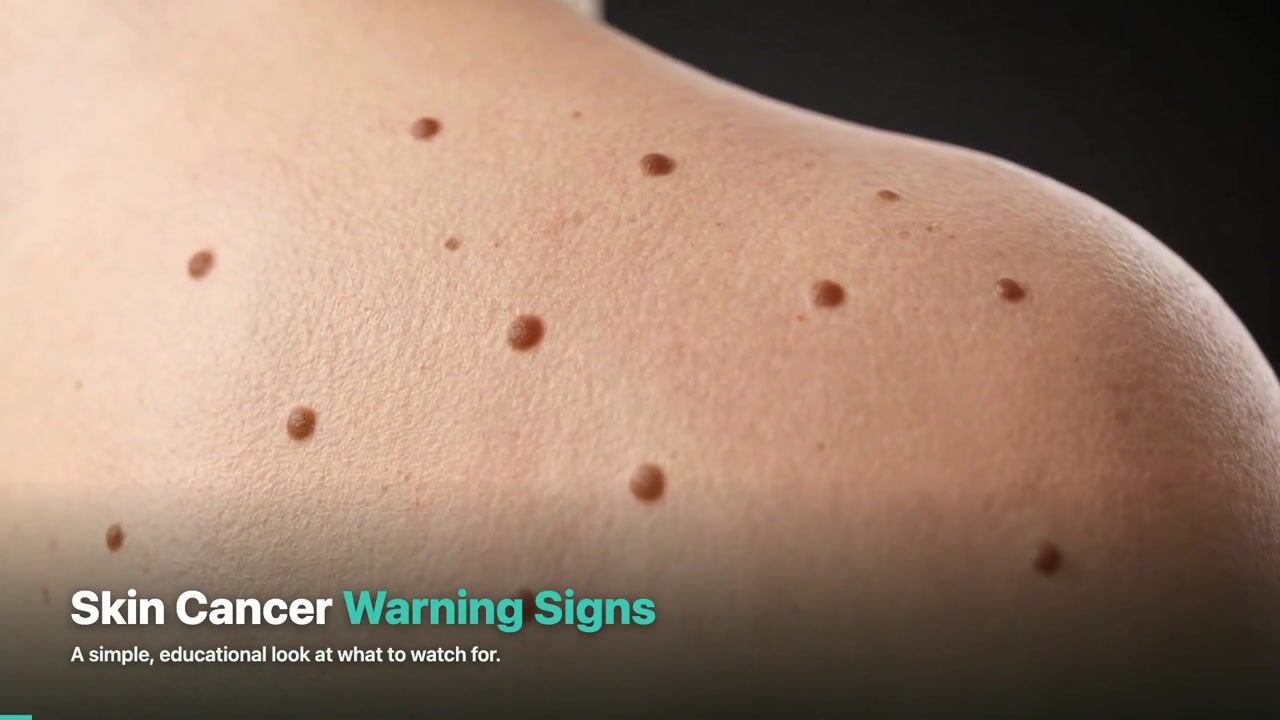 1:00, 1 minutes 00 seconds
Want this video on your practice website?
License the full Dermatology Learning Center — one script tag, domain-locked, $97/mo or $599/yr.