Melanoma: How It Works, Explained Simply
Melanoma is a cancer that begins in melanocytes, the pigment-producing cells of the skin. Those cells sit in the basal layer, along the bottom of the epidermis. A fact-checked 3D patient-education video — educational only, not medical advice.
See a mistake in this video? Report it →
Video Transcript
Melanoma is a cancer that begins in melanocytes, the pigment-producing cells of the skin. Those cells sit in the basal layer, along the bottom of the epidermis. When one begins to divide out of control, it forms a growth that at first spreads sideways, within the epidermis. If it is not found and removed, it can grow downward, through the base of the epidermis and into the dermis below. That matters, because the dermis is where the blood vessels and lymphatic vessels run. Once melanoma reaches them, cells can travel to nearby lymph nodes and to other parts of the body. This is why depth matters so much, and why a melanoma found early is treated very differently from one found late. It can appear as a new spot, or as a change in a mole you already had. The A B C D E checklist is a useful guide to what to watch for. Ultraviolet exposure is a major risk factor, though melanoma can also appear on skin that rarely sees the sun. This video is for general education only. It is not medical advice. Ask your doctor what's right for you.
More Skin Cancer & Screening Videos
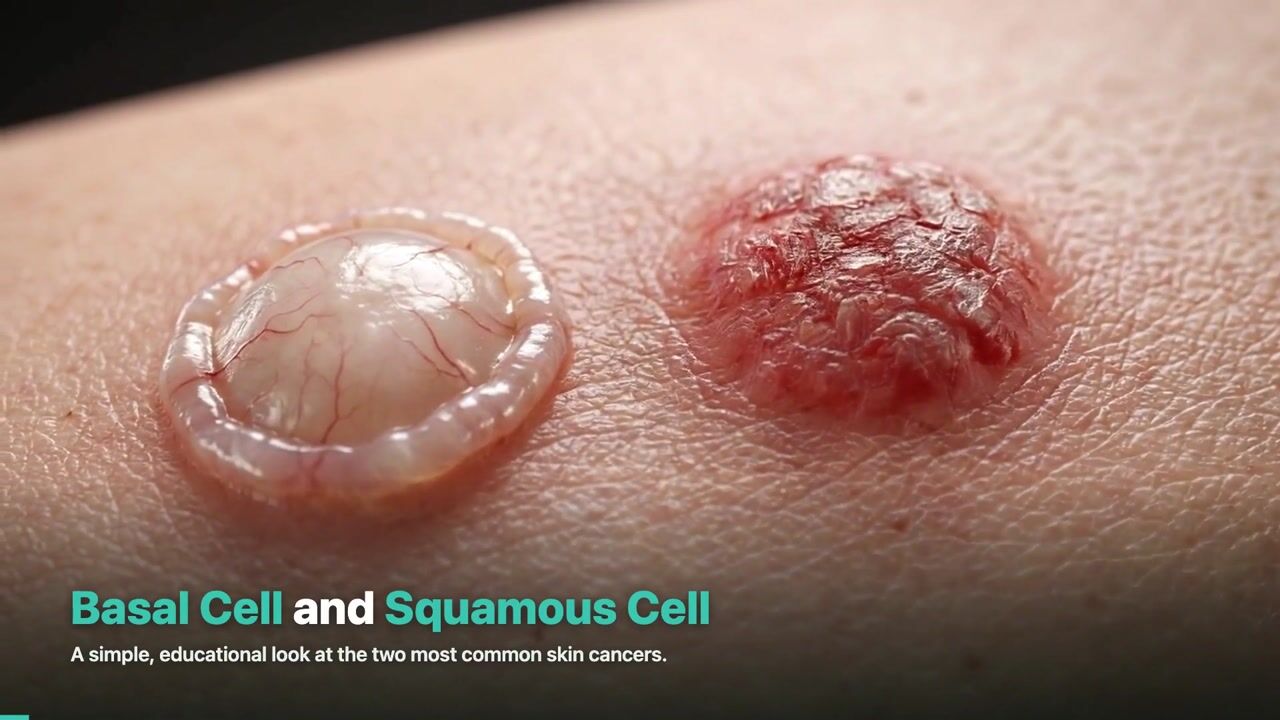 1:00, 1 minutes 00 seconds
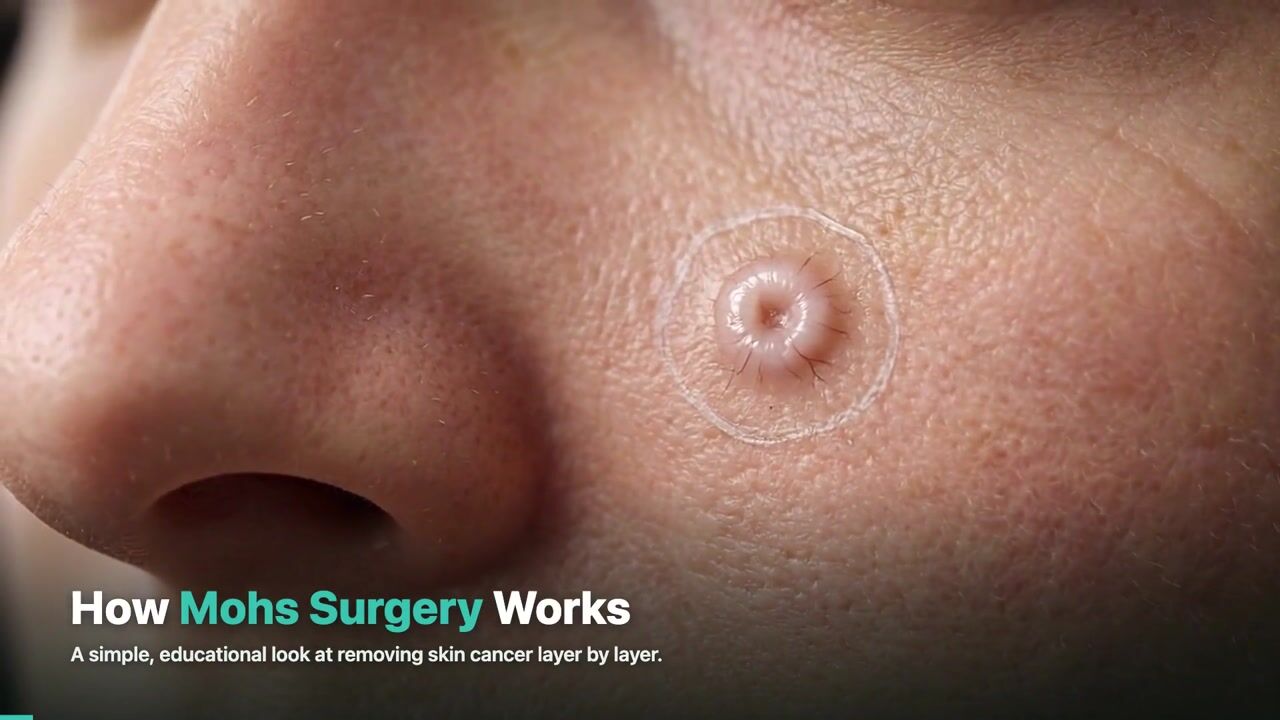 1:00, 1 minutes 00 seconds
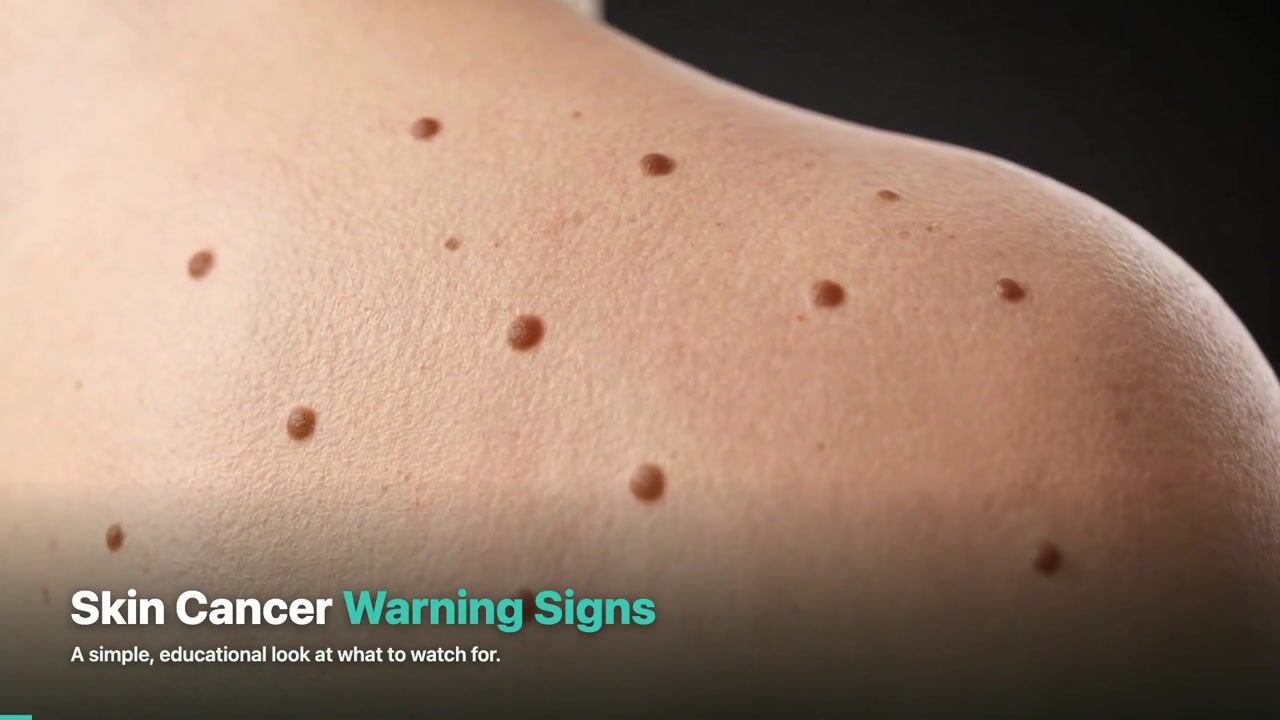 1:00, 1 minutes 00 seconds
Want this video on your practice website?
License the full Dermatology Learning Center — one script tag, domain-locked, $97/mo or $599/yr.