Nearsightedness (Myopia): How It Works, Explained Simply
Nearsightedness, or myopia, means distant objects look blurry while close-up things stay clear. In an eye that focuses correctly, light entering from a distance comes to a sharp point exactly on the retina. A fact-checked 3D patient-education video — educational only, not medical advice.
See a mistake in this video? Report it →
Video Transcript
Nearsightedness, or myopia, means distant objects look blurry while close-up things stay clear. In an eye that focuses correctly, light entering from a distance comes to a sharp point exactly on the retina. In a nearsighted eye, the eyeball is usually a little too long from front to back, or the cornea is curved too steeply. Either way, light comes to a focus slightly in front of the retina, so distant objects arrive blurred. Objects up close focus further back, which is why near vision often stays comfortable without help. In children, signs can include squinting, sitting close to screens, or trouble seeing the board at school. Myopia usually begins in childhood and often progresses while the eye is still growing, then tends to settle in early adulthood. Glasses or contact lenses move the focus back onto the retina. For adults, laser surgery is another option, and for children, there are specific treatments aimed at slowing progression. This video is for general education only. It is not medical advice. Ask your eye doctor what's right for you.
More Optometry Videos
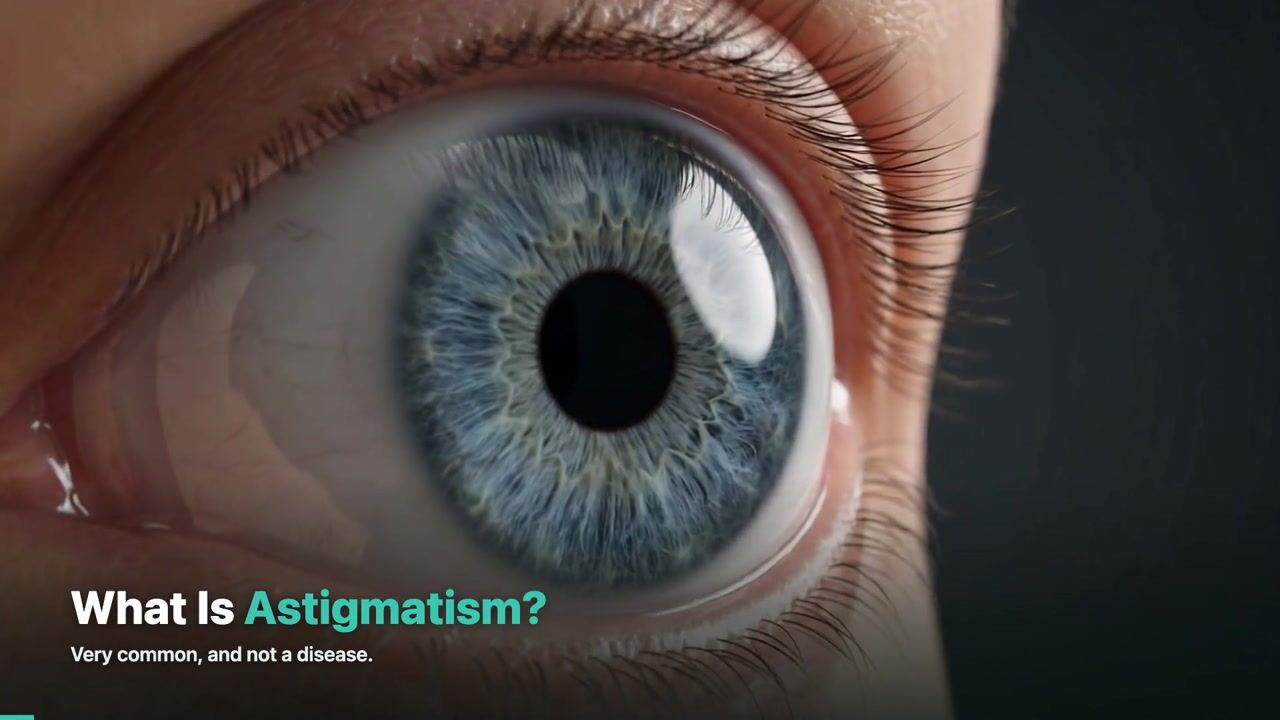 1:19, 1 minutes 19 seconds
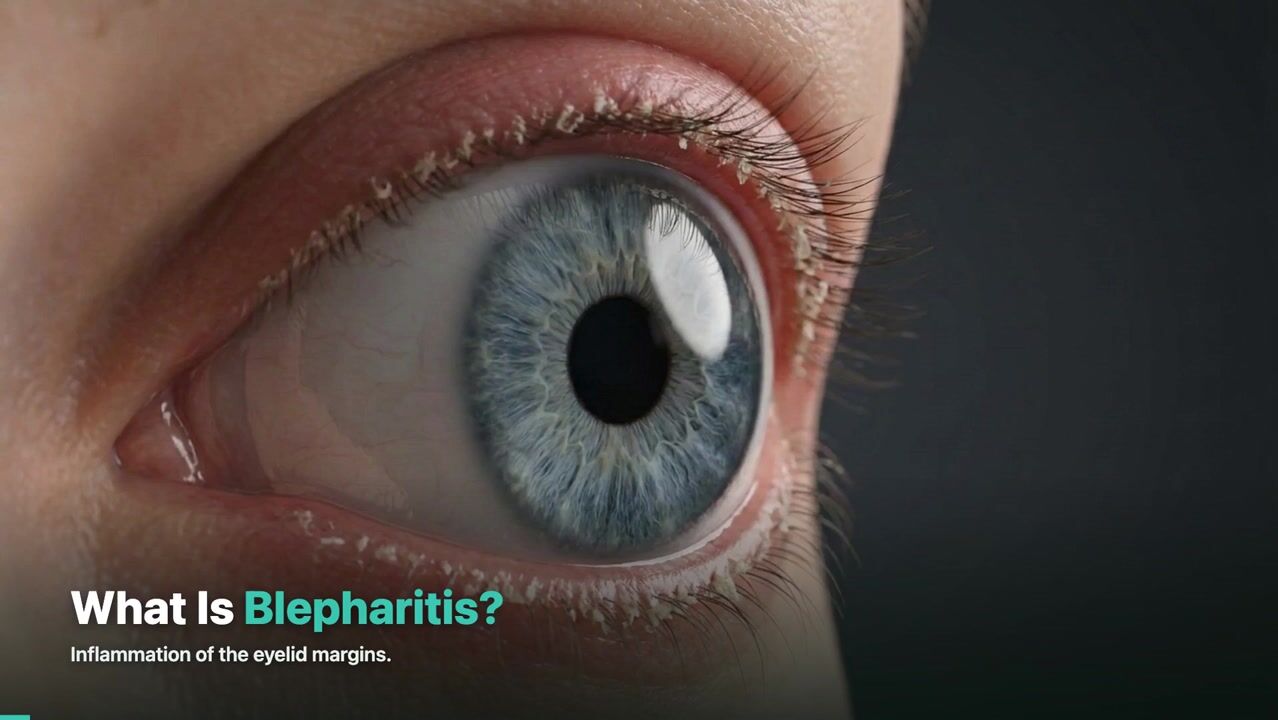 1:28, 1 minutes 28 seconds
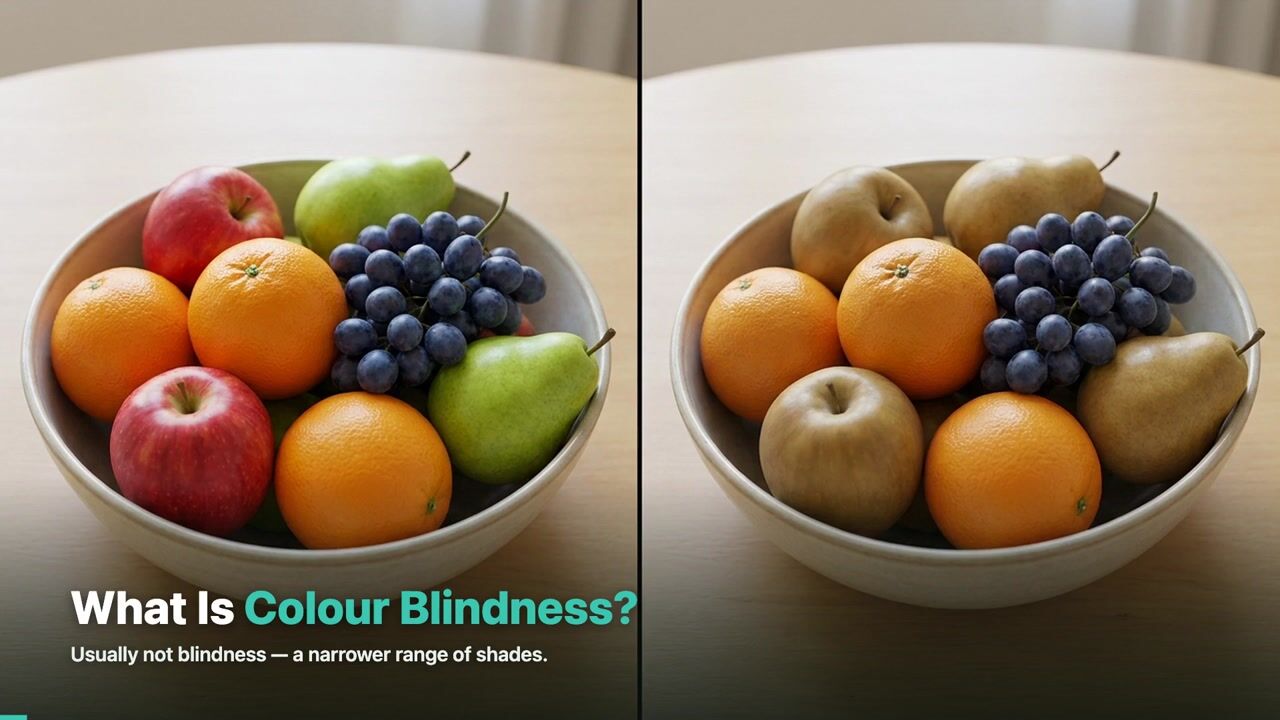 1:38, 1 minutes 38 seconds
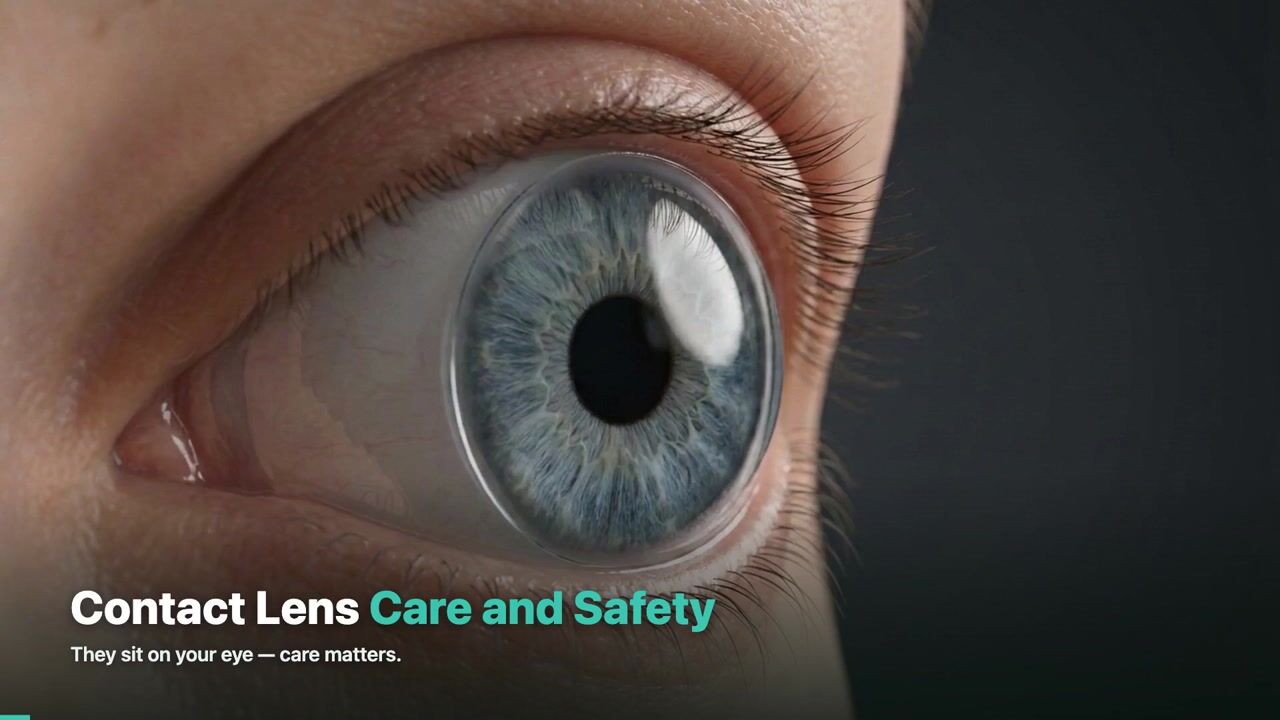 1:29, 1 minutes 29 seconds
Want this video on your practice website?
License the full Eye Care Learning Center — one script tag, domain-locked, $97/mo or $599/yr.